
Significance of “may” and “shall” in arbitration clauses

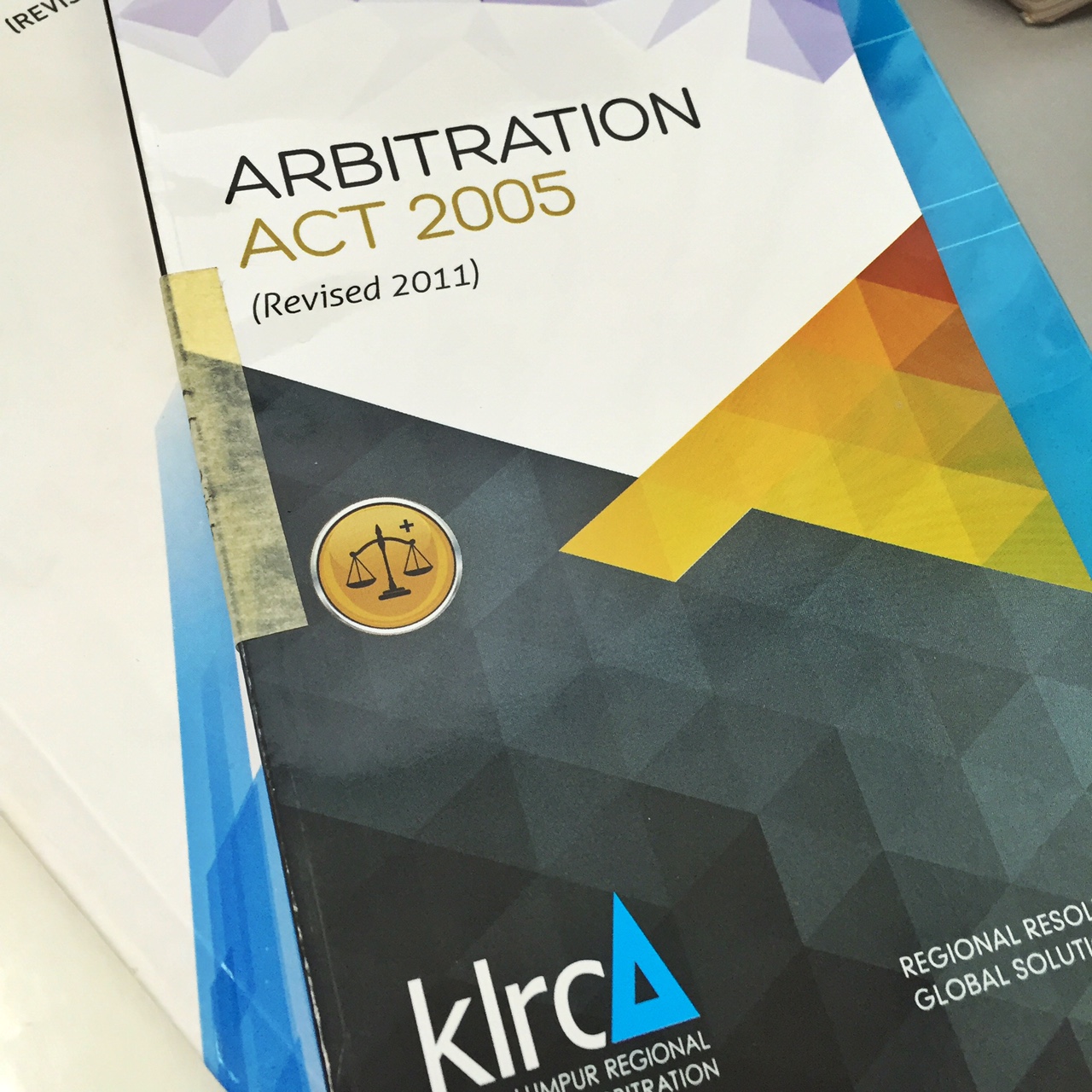
The Privy Council in the Anzen Limited case emphasised the importance of careful drafting of the arbitration clause (Grounds of Judgment dated 18 January 2016). Here, the Privy Council had to decide on the phrase “may submit the dispute to binding arbitration”. The Privy Council interpreted this phrase to mean that either party to the contract could insist on arbitration. Even where one party had initiated litigation, it was open to the other party to make an unequivocal request that the dispute should be submitted to arbitration and/or to then apply for a stay of the litigation.

 

AA PIc

Continue reading

CTOS Liable for Defamation

In an interesting recent Court of Appeal decision (Grounds of Judgment dated 3 February 2016), the Court of Appeal allowed a defamation action against CTOS.

new_CTOS

I can imagine this decision having quite serious repercussions for credit reporting agencies in Malaysia in general. It imposes an obligation on a credit reporting agency to ensure any information that it inserts into its database or report to be factually correct. Further, that information must continue to be factually correct at all times. A credit reporting agency cannot rely on any disclaimer in their report that the information may not be up to date and that the person relying on the report should conduct their own checks.

So for example, if an individual had originally been adjudged a bankrupt but he had since been discharged from his bankruptcy, a credit reporting agency must ensure that information is updated quickly. So quite a victory for individuals and companies worried about their creditworthiness. Continue reading